




.jpg_1759869177.3989_9564518c87_fullsize.webp)
.jpg_1758051740.5057_0ad83a0b80_fullsize.webp)

Published Nov 13, 2026
18.105K
Best Socks for Standing All Day: Nurse-Approved Picks | Bombas
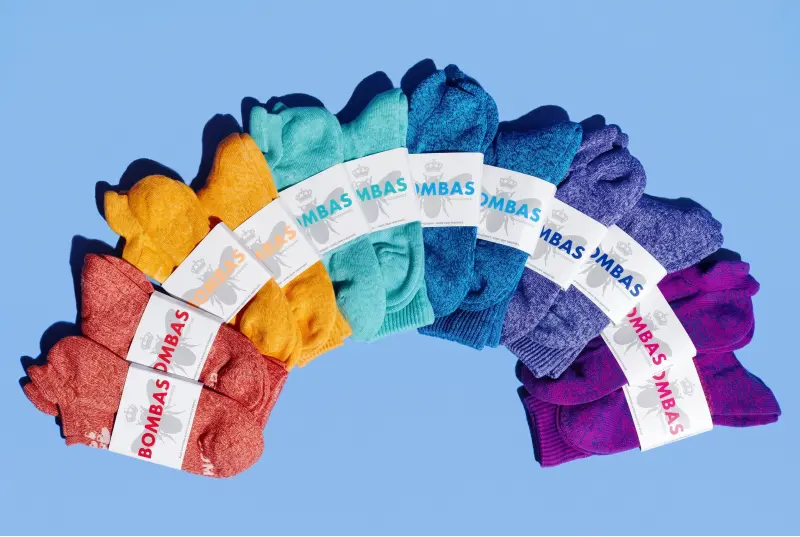
Ask anyone who’s pulled a 12-hour shift when their feet start talking. It’s usually around hour six. First the arches ache, then the heels, and by the last patient or the last customer your ankles feel a size bigger than at breakfast. (They probably are.)
Most of us blame our shoes, and shoes matter. But the layer actually touching your skin for every one of those 20,000-odd steps is your sock. That's why finding the best socks for standing all day is one of the cheapest, fastest upgrades you can make to your workday.
We looked at what nurses and retail pros consistently say they need from socks for long shifts, then matched those needs to the Bombas lineup, from Bombas compression socks to cushioned everyday pairs. Here's what's worth putting on your feet before your next shift.
Why Your Socks Matter More Than You Think on Long Shifts
What Standing All Day Does to Your Feet and Legs
When you're on your feet all day, gravity is working against you. Blood and fluid pool in your lower legs, which is why so many people end a shift with leg swelling, heavy calves, and that dull, tired legs feeling. Over years of shift work, poor circulation in the legs is linked to problems like varicose veins, a concern many nurses know well.
Your feet take their own beating. Hard hospital floors and concrete floors offer no give, so every step sends impact into your heels and the balls of your feet. Add heat and sweat inside a closed shoe, and friction does the rest: hot spots, then blisters. The result is foot fatigue that lingers long after you clock out.
Why Shoes Alone Aren't Enough
A great pair of nursing shoes or supportive clogs handles structure. But a thin, sweaty, slipping sock can undo much of that work. Socks control four things shoes can't fully manage on their own: cushioning right against the skin, how snugly your foot sits in the shoe, moisture, and (with compression) blood flow. Think of shoes as the frame and socks as the suspension.
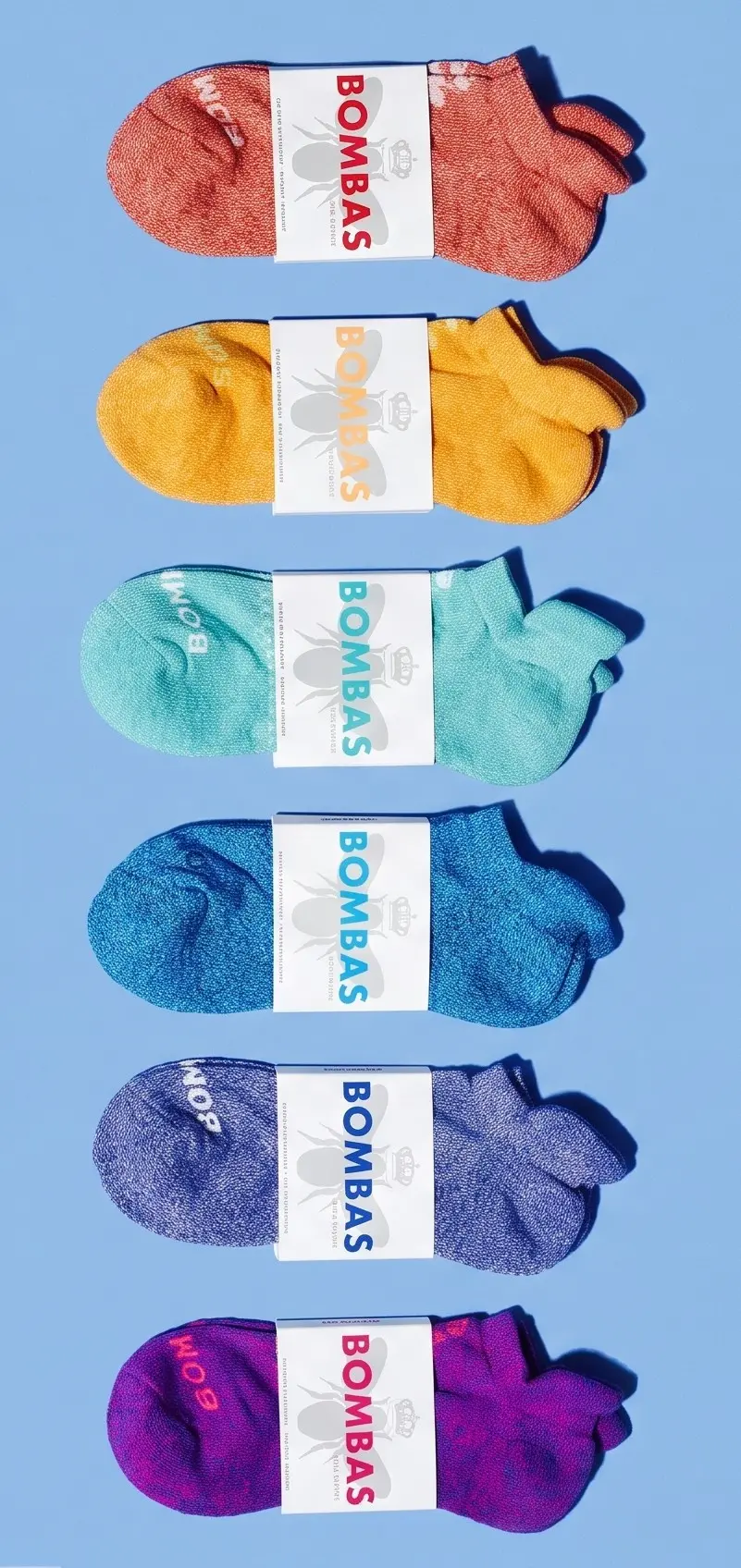
What Nurses and Retail Pros Look for in a Work Sock
Ask healthcare workers and retail associates what makes a sock worth rebuying, and the answers sound remarkably alike. Nobody mentions fashion first. They talk about how their feet feel at the end of a double, and whether the sock is still where they put it at 7 a.m.
Targeted Cushioning Where It Counts
The heel and the ball of the foot absorb most of the impact when you stand and walk. Heel cushioning and a padded cushioned footbed in those zones soften every step on hard surfaces, without making the whole sock so thick your shoes stop fitting.
Arch Support That Doesn't Quit
A snug band around the midfoot gives real arch support, hugging the foot so it doesn't splay and tire as the hours pile up. For people with flatter feet, this is often the difference between a good day and a sore one.
Moisture-Wicking, Breathable Fabric
Sweat is the enemy of comfort. Moisture-wicking, breathable materials pull dampness away from the skin, which helps with blister prevention and odor resistance. Many pros swear by a merino wool blend for this, especially in winter.
A Fit That Stays Put
Socks that slip down the heel or bunch at the toe create friction. A seamless toe and a heel shaped to your foot keep everything in place.
Compression for Circulation
Nurses are some of the most loyal fans of graduated compression. These socks apply the most pressure at the ankle and less toward the knee, helping push blood back up the leg instead of letting it pool.
Put together, the ideal work socks for standing check these boxes:
- Cushioning in the heel and forefoot to absorb impact on hard floors
- Arch support that holds the midfoot snugly for the full shift
- Breathable, moisture-wicking fibers that keep feet dry
- A secure, no-slip fit with no rubbing seams
- Optional compression to fight swelling and leg fatigue
- Durability to survive daily wear and constant washing
Why Bombas Is a Favorite Among People Who Work on Their Feet
Search for Bombas socks for nurses, and you'll find a brand that shows up again and again in break-room conversations. That's not an accident. Bombas built its reputation on obsessing over the details most sock makers skip.
Comfort Engineering Built Into Every Pair
Bombas' signature honeycomb arch support system wraps the midfoot for a locked-in feel that lasts all shift. A Y-stitched heel cups the back of your foot so the sock doesn't creep down into your shoe. The seamless toe removes the ridge that rubs after hours of walking, and many ankle styles add a blister tab at the back to protect the Achilles area. Cushioned styles add strategic padding where impact is highest.
Designed for Durability Through Daily Wear and Washing
Work socks live a hard life: long shifts, hot washes, and constant rotation. Bombas uses dense, reinforced knits designed to hold their shape and cushioning wash after wash. When a pair costs more than a drugstore multipack, durability is what makes it pay off.
Comfort That Gives Back
There's a feel-good factor too. Bombas runs a one purchased, one donated model, and the brand says it has donated more than 200 million socks, underwear, and tees to people experiencing homelessness. It's also a certified B Corp, and every order is backed by its 100% Happiness Guarantee.
So, are Bombas worth it? For people who spend 40-plus hours a week standing, the comfort, longevity, and mission make a strong case.
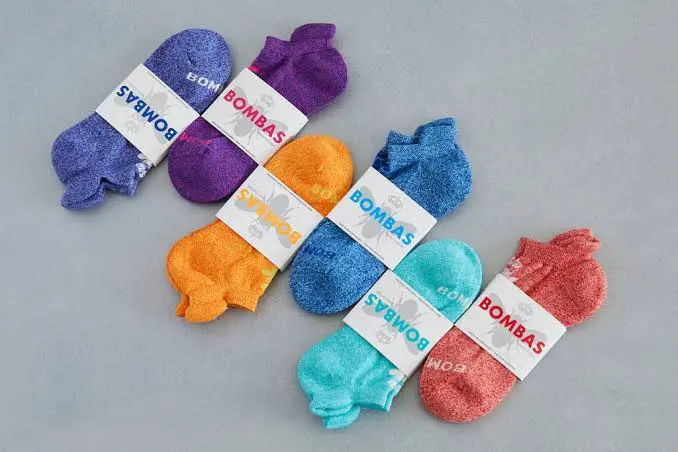
The Best Bombas Socks for Standing All Day
Best Overall for Nurses: Bombas Medical Grade Compression Knee High Socks (20–30 mmHg)
If you work 12-hour shifts and go home with swollen ankles, start here. These knee-high socks deliver firm, graduated compression at 20–30 mmHg, the level many clinicians associate with serious support for circulation and leg swelling. They're midweight, so they feel substantial without overheating, and they come in enough colors to work with any set of scrubs.
For many readers, these are the best compression socks for nurses in the lineup. One note: 20–30 mmHg is a firm level, so check with your doctor first if you have circulation issues, diabetes, or other medical conditions.
Best Everyday Compression: Bombas Lightweight Compression Socks (15–20 mmHg)
New to compression? The 15–20 mmHg range is gentler and easier to pull on, which makes it a smart starting point for retail workers, pharmacists, teachers, and anyone who wants relief from tired legs without a medical-grade squeeze. Bombas offers this level in everyday and travel styles. It's arguably the best entry point if you're wondering whether compression socks for standing all day are right for you.
Best Cushioned Option for Hard Floors: Bombas Cushioned Calf and Quarter Socks
For shifts spent on unforgiving surfaces, such as stockrooms, warehouse floors, and long hospital corridors, extra padding is the priority. Bombas' cushioned calf socks and quarter socks put plush padding under the heel and forefoot, the two hotspots for impact. If your main complaint is pain in the soles rather than swelling in the legs, these are the best socks for standing on concrete all day.
Best for Cold Shifts and Temperature Control: Bombas Merino Wool Blend Socks
Winter retail, drafty loading docks, and chilly early-morning commutes call for wool. A merino wool blend keeps feet warm but regulates temperature, so you don't end up swampy by lunchtime. Merino is also naturally odor-resistant, a quiet hero on long days. Bombas' merino calf socks offer midweight warmth with the same honeycomb support.
Best Low-Profile Pick for Retail Uniforms: Bombas Ankle and No Show Socks
Dress codes don't always allow visible socks. Bombas' ankle socks and no-show styles sit low in flats, loafers, and sneakers while keeping the arch support, seamless toe, and silicone heel grip that stops them from sliding off mid-shift.
Best for Active Shifts: Bombas Performance Socks
Some “standing” jobs are really walking jobs, all restocking and lifting. For those, try the Bombas sport line. The cushioning is more targeted, and there are ventilation zones on top, which helps when your step count hits five digits before lunch.
How to Choose the Right Bombas Socks for Your Job
The table below matches each pick to the workday it suits best.
| Bombas style | Best for | Height | Compression | Key benefit |
| Medical Grade Compression Knee High | Nurses on 12-hour shifts | Knee high | 20–30 mmHg | Maximum support for swelling and circulation |
| Lightweight Compression | Retail, pharmacy, teaching | Knee high | 15–20 mmHg | Gentle, beginner-friendly leg support |
| Cushioned Calf / Quarter | Concrete and hospital floors | Calf or quarter | None | Plush heel and forefoot cushioning |
| Merino Wool Blend Calf | Cold stores, winter shifts | Calf | None | Warmth with temperature control |
| Ankle / No Show | Retail dress codes, sneakers | Low | None | Hidden fit with heel grip |
| Performance / Sport | High-mileage, active shifts | Varies | Optional | Targeted cushioning and ventilation |
Match Sock Height to Your Shoes and Uniform
Wearing scrubs with clogs? Knee-high socks or calf socks protect your shins and pair naturally with compression. Wearing sneakers on a sales floor? Quarter socks or ankle socks keep things neat. Dress shoes call for low-profile or thin calf styles.
Choosing a Compression Level: 15–20 vs. 20–30 mmHg
mmHg measures pressure, and higher numbers mean a firmer squeeze. 15–20 mmHg is a comfortable everyday level for general fatigue and mild swelling. 20–30 mmHg is firmer and often recommended for more significant swelling or vein concerns. If you're unsure, or have a medical condition, ask your healthcare provider before going firmer.
Picking the Right Sock Weight: Lightweight, Midweight, or Cushioned
Sock weight affects both comfort and shoe fit. Lightweight suits warm environments and snug shoes. Midweight is the all-rounder. Cushioned or heavyweight styles shine on hard floors and in roomier work shoes, but may feel tight in a slim fit.
Build a Sock Rotation (and Save With Packs)
Aim for at least one fresh pair per workday, plus spares for mid-shift swaps. A good sock rotation also extends the life of each pair. Bombas Build a Pack option lets you mix compression, cushioned, and merino styles while saving on multipacks.
Pro Tips for Happier Feet on Long Shifts
Good socks get you most of the way there. A few habits help with the rest:
- Change your socks halfway through. A dry pair at lunch feels amazing and lowers your blister risk.
- Put compression socks on first thing. They work best before swelling has a chance to start, so don’t wait until your legs already ache.
- Don’t ignore your shoes. Even great socks can’t rescue shoes that are worn out. Once the cushioning in your nursing shoes or sneakers feels flat, replace them.
- Keep moving when you can. Shift your weight, rise up onto your toes a few times, or take a quick lap to get blood moving in your calves.
- Put your feet up after work. Even 15 minutes with your legs raised helps. Then slip into something soft, like Bombas slippers.
Final Thoughts: The Best Socks for Standing All Day Long
So, are Bombas socks good for standing all day? For the nurses, retail pros, and shift workers who live on their feet, they're one of the most reliable upgrades you can make. If swelling is your biggest battle, Bombas nurse compression socks at 20–30 mmHg are the best compression socks for standing all day. If sore soles are the issue, the cushioned calf and quarter styles are the best cushioned socks for work. And for cold shifts, merino earns its spot in the drawer.
FAQ: Socks for Standing All Day
Are compression socks good for standing all day?
Yes, for most people. Graduated compression helps move blood back up the legs, which can reduce swelling, heaviness, and fatigue during long periods of standing. Start with 15–20 mmHg if you're new to compression.
What socks do nurses wear for 12-hour shifts?
Many nurses choose compression knee-high socks in the 15–20 or 20–30 mmHg range, often paired with clogs or supportive sneakers. Others prefer cushioned calf socks with strong arch support. That's what socks nurses wear for 12-hour shifts in a nutshell: support, cushioning, and staying power.
Are Bombas worth the price for work socks?
If you’re upright most of the day, we think so. You get real arch support and cushioning, the socks are built to last, and the Happiness Guarantee covers you if they don’t.
Should socks for standing be cotton or wool?
Both can work. Cotton blends are soft and breathable for everyday wear. A merino wool blend handles moisture and temperature better, making it ideal for cold environments and sweaty feet. Pure cotton tends to hold sweat, so look for blends.
Affiliate Disclosure: This article contains affiliate links to the Bombas Socks platform. If you click on these links and choose to register or make a purchase, we may earn a referral commission. This commission comes at no additional cost to you and supports the ongoing research and publication of high-quality e-commerce and lifestyle content. All opinions and recommendations remain strictly our own.